🫐 Vienna Service Design
a casebook with Service Design case studies

Why we use
service design —
and how it changed
public services.

Nine services, four continents, one pattern. Almost none of these needed a new law. Hospitals, ministries, city halls and digital agencies changed a sequence, a letter, a room, a screen, or who does the work — and millions of people felt it.

🫐 Top-of-mind cases 🍊 Global GovJam Vienna 2026
Nobody changed
the law.

In the nine cases in this document, the teams changed the sequence, the information people were given, and who was made to do the work. That is almost always inside our control.

Prepared by Oleksandra Baklanova
Vienna Service Design · JAM Lead
Global GovJam Vienna 2026
Vienna Service Design The argument
start here

A public service is the place where the state meets a person on the worst day of their week.

Nobody experiences a policy. People experience a queue, a letter, a form, a screen, a room, a voice on the phone. That is where trust is either built or quietly spent — and it is the one part of government that is almost never designed on purpose.

Service design is the discipline that takes that meeting seriously. It follows one real person all the way through, counts the seams, asks what is actually going wrong underneath the complaint — and then tests the fix with the people it affects before anyone spends money building it.

The nine cases that follow are the ones we come back to. They are not marketing. Every figure is published, every source is linked. Read three and the pattern starts to show itself.

what it is not

It is not a redesign of a website. It is not a workshop with sticky notes and no follow-through. It is not a consultancy word.

what it is

Research with real users. A map of the whole journey, front and back. Prototypes cheap enough to throw away. Evidence before budget.

why it matters to you

Every case here removed cost from the back office at the same time as it removed pain from the front door. Good service design is not a kindness. It is cheaper.

Vienna Service Design The nine at a glance

Nine services that got fixed 🍊

Each case is one page: the problem from the citizen's side, the turn the team noticed, what they built, and what came out.

case 01
The waiting room that stopped getting angry
Vienna, Austria · Hospital
case 02
One page instead of one org chart
United Kingdom · GOV.UK
case 03
A government in one van, next to your house
Ukraine · Local government
case 04
Connecting all the kingdoms 👑 into one app
Ukraine · Diia
case 05
The service you never have to apply for
Estonia · Family benefits
case 06
Having a baby is one event, not nine forms
Singapore · LifeSG
case 07
Apply for a passport in one iteration
United Kingdom · Passports
case 08
Solving all the needs of US veterans on one portal
United States · VA.gov
case 09
Forty apps is still bureaucracy
Dubai, UAE · City services
Vienna Service Design Case 01 · Vienna, Austria · Healthcare
case 01

The waiting room that stopped getting angry

Krankenhaus Barmherzige Brüder Wien Stakeholder mapping Lead-user co-design
the problem

People arrive at an outpatient department in pain, frightened, sometimes traumatised. Then they wait, and nobody tells them for how long. Vienna's oldest religious-order hospital had a rising problem with aggression towards staff. The usual answers had been tried — more signage, de-escalation training. The aggression stayed.

what they built

A two-day lead-user conference with patients, doctors, nursing and administrative staff. The concepts that survived patient testing: self-check-in you can do before you leave the house, and an NFC wristband read on your own phone showing your real status and real position in the queue.

the turn

Four groups were using the same words to mean different things. Physicians called good service efficient triage. Patients experienced that same efficiency as being processed by a machine. Nurses called it caring accompaniment; administration saw wasted resource.

what came out

Implementation-ready, patient-tested concepts, built into the refurbishment of the department. A person who knows where they stand can plan their afternoon instead of shouting at a receptionist.

Sources: LEAD Innovation success story · OTS press release, Dec 2019 · Barmherzige Brüder Wien

Clinical and nursing staff of Barmherzige Brüder Wien celebrating together in a hospital corridor

Staff at Krankenhaus Barmherzige Brüder Wien — the people who sat at the same table as patients for two days. Source: barmherzige-brueder.at

the reframe 🫐
Not “make the wait shorter” — emergencies happen, that promise can't be kept.
Make the wait transparent.
Nobody wants to deal with an agency.
They want to legally drive a car.
Vienna Service Design Case 02 · United Kingdom · Everyday admin
case 02

One page instead of one org chart

GOV.UK · Government Digital Service Journey mapping Cross-department workshops
the problem

To learn to drive, you first had to learn how the British government is organised. One agency issues the provisional licence, a different one runs the theory and practical tests. Citizens were stitching the journey together across several websites — and getting the order wrong.

the turn

Once the team mapped the journey from the citizen's side, the departmental boundaries stopped being a fact about the service and became the thing in the way of it.

what they built

“Step by step” navigation: one chronological page for the whole task, linking out to the right departments behind the scenes while keeping you on a single visible path. Eight rounds of research and iteration, and policy people from up to five departments in one room.

what came out

Learn to drive a car: step by step was used 1.24 million times in its first six months. The pattern now covers more than 40 complex life events across GOV.UK, and won a D&AD award for service design in 2019.

Sources: GDS blog — Building a better GOV.UK, step by step · OECD OPSI case entry · GOV.UK Design System pattern · See it live

Vienna Service Design Case 03 · Ukraine · Local government
case 03

A government in one van, next to your house

If the citizen can't reach the service, the service drives to the village. Administrative Service Centres (ЦНАП), redesigned across every touchpoint at once — with U-LEAD with Europe.

the problem

Before 2016, registering a business or getting a civil-status document meant several state buildings, long queues in dark corridors, and processes nobody could see into. From a village it meant a full day of travel — then possibly a second, because you'd brought the wrong paper.

A system that opaque doesn't only waste time. Every unclear step is a place where someone can be asked for a favour.

the turn

Citizens don't judge a reform by reading it. They judge it by how it feels to stand at the desk.

what they built

The van — mobile centres for two administrators and three visitors, plus a kit for service at the front door. The plumbing — the Trembita data exchange, so citizens stopped couriering certificates between departments. The room — 484 ASCs built and reformed as open-plan, glass-walled spaces with ramps, baby-changing tables and children's corners. The desk — 120+ services in one place, one visit.

what came out

Over five years the EU-funded U-LEAD with Europe programme supported 484 Administrative Service Centres plus 816 local units, remote workstations and mobile offices — reaching around 11.9 million residents.

Sources: U-LEAD support to ASCs · EU Neighbours East · Mobile ASCs

Vienna Service Design Case 04 · Ukraine · Diia
case 04 · the part people miss

Connecting all the kingdoms 👑 into one app

Personas User scenarios Service blueprint Ideation Rapid prototyping

Diia put passports and driving licences on Ukrainian phones, and it is rightly famous. What is easy to miss is that it could only plug into a system that had already been redesigned around the citizen.

The unglamorous work came first: cleaning up local data, standardising how a service is delivered, making registries talk to each other. Years of it, in the Administrative Service Centres on the previous page.

This is the lesson for anyone hoping an app will save them. You cannot digitise a service you have not yet designed. The app is the last ten percent.

what came out

A digital identity most citizens actually use, and a state that can ship a new service in weeks instead of years — because the pipes underneath were laid deliberately, at the desk, one visit at a time.

Sources: Diia — official portal · U-LEAD with Europe, ASC programme

Vienna Service Design Case 05 · Estonia · Family benefits
case 05

The service you never have to apply for

Social Insurance Board · e-Estonia Data-flow analysis Service blueprint
the problem

New parents had to find out that child benefit exists, find the form, apply, and prove they'd had a baby. Meanwhile a civil servant had to read the form and check the proof. Two exhausted people doing paperwork about a fact that was already recorded.

what they built

Proactive services. When a birth is registered, databases talk to each other securely, the entitlement is calculated, and the parents get an email offering it. They confirm a bank account. That is the whole interaction.

the turn

The hospital registers the birth. The state already knows. Asking the parents to tell it again was a step that existed for no one's benefit.

what came out

The application disappears — and with it the processing time, the errors, the rejections and the appeals. The best version of a service can be one the citizen never has to notice.

Source: Estonian Information System Authority — proactive government services

Above: e-Estonia's showroom in Tallinn. Below: the country's own shorthand for the goal — zero bureaucracy.

Vienna Service Design Case 06 · Singapore · Life events
case 06

Having a baby is one event, not nine forms

the problem

A new baby meant registering the birth with one agency, claiming the baby bonus from another, and sorting health records with a third. New parents, on no sleep, acting as the integration layer between government departments.

the turn

One thing happens in a person's life and triggers a dozen bureaucratic needs at once. The person experiences one event, so the service should behave like one event.

what they built

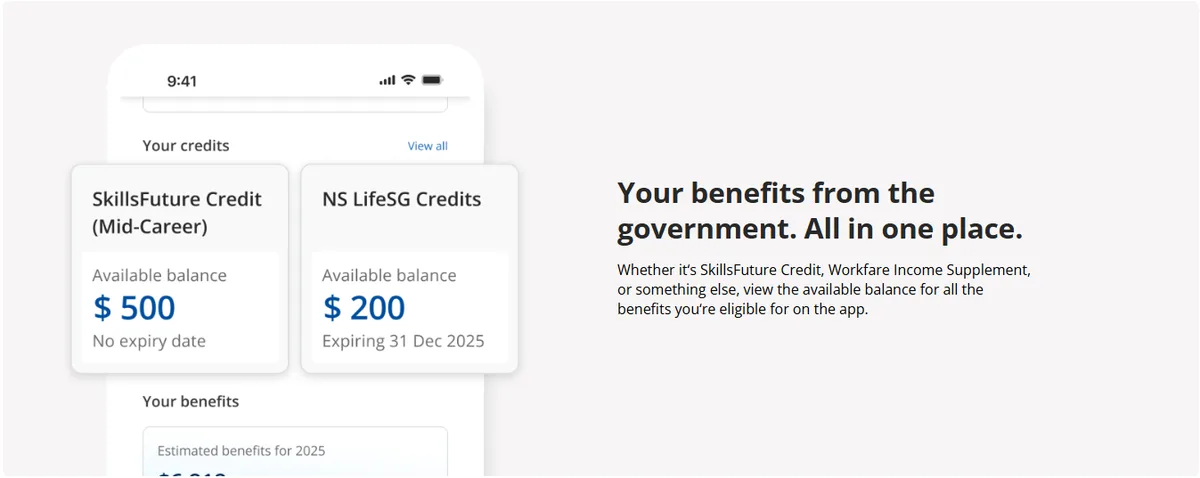
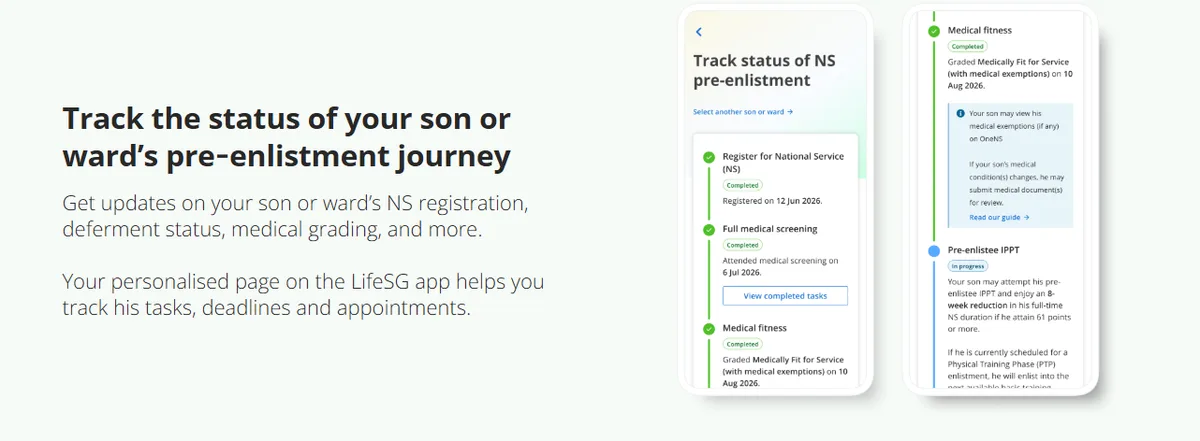
The LifeSG app: separate interactions bundled into one journey. You enter your details once and the platform distributes them to the agencies that need them.

what came out

A multi-agency ordeal became a single short session on a phone — with 18 backend systems still doing their work, hidden from the parents. The complexity didn't vanish; it moved to where it belongs.
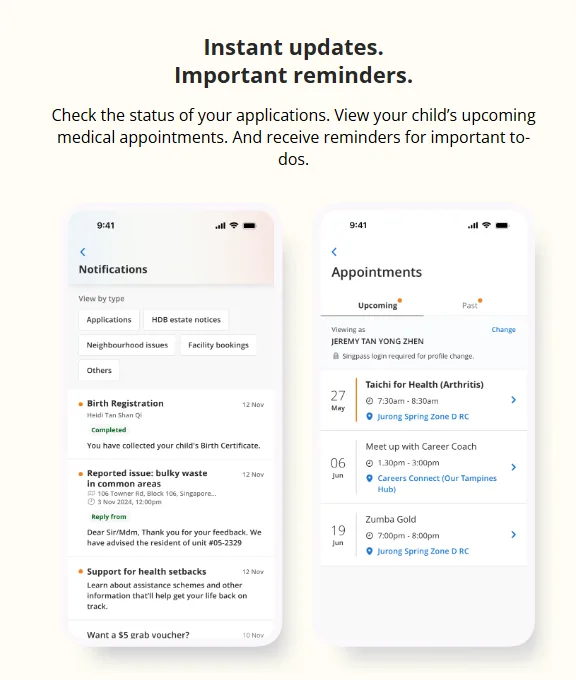
LifeSG app notifications and appointments screens
one app, one life admin list

Sources: LifeSG · UN Public Service Awards case record
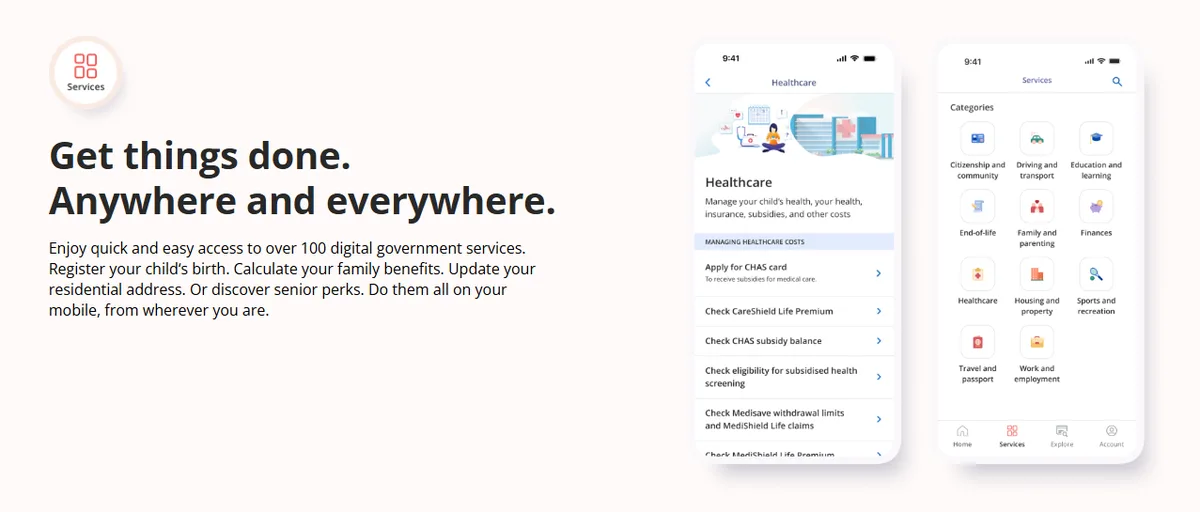
LifeSG — get things done anywhere and everywhere
LifeSG — your benefits from the government, all in one place
LifeSG — tracking a pre-enlistment journey step by step
Vienna Service Design Case 07 · United Kingdom · Identity documents
case 07

Apply for a passport in one iteration

HM Passport Office Prototyping Moving the feedback loop
the problem

Renewing a passport meant a photo booth, strict physical rules nobody remembers, a paper form, a countersignature and a trip to the post office. The biggest single source of delay was the photo: you found out weeks later, from a human caseworker, that your head was 2 mm too low.

the turn

The problem wasn't that photos failed. It was that they failed three weeks after you could do anything about it.

what they built

Take the photo on your own phone, upload it, and the system checks lighting, shadows, background and head position immediately — telling you to retake it while you're still standing there. Plus an online declaration and clearer document guidance.

what came out

Around 2 million online renewals in the first two years, before the service was extended to first-time adult passports. Caseworkers stopped spending their days rejecting photographs.

Sources: Home Office Digital blog · See it live
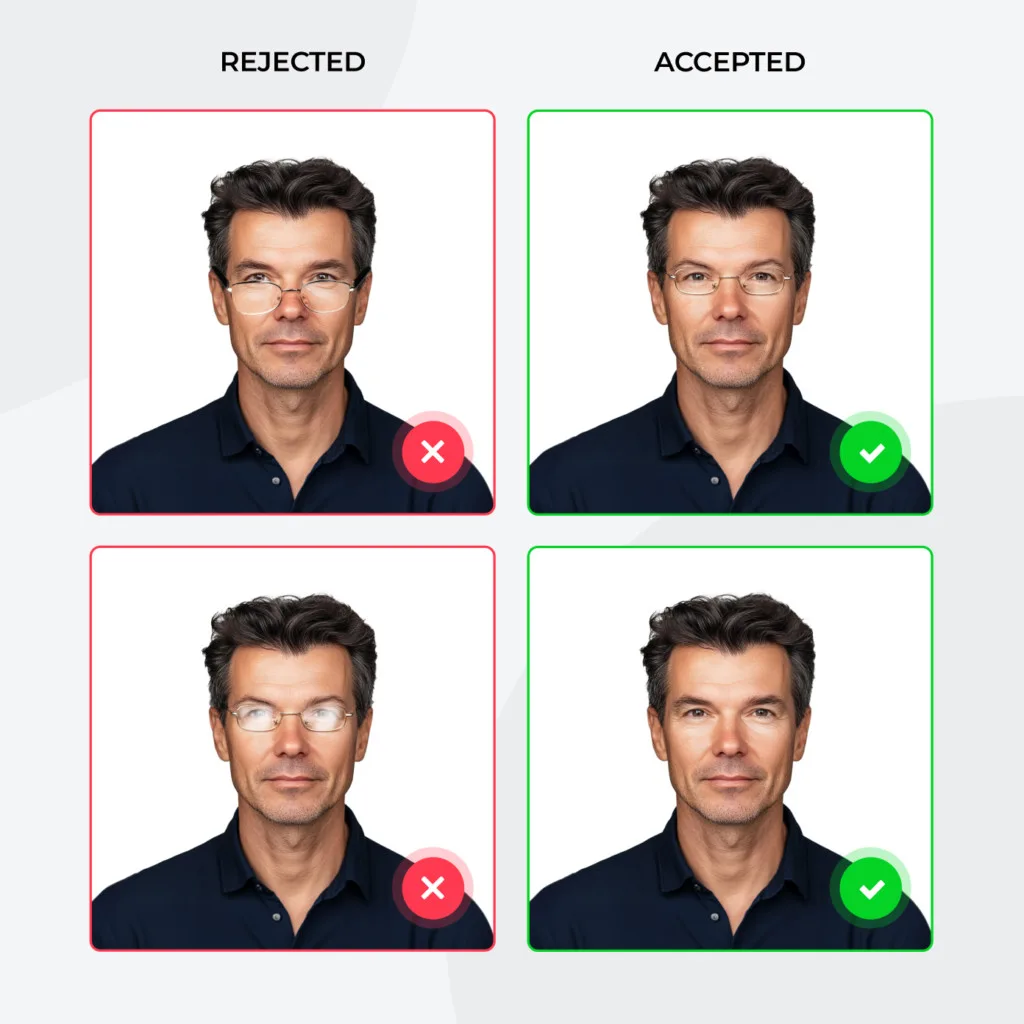
Rejected and accepted passport photographs compared
the cheap fix 🍊

The rules didn't get easier. The check just moved to the only moment when a person can still act on it.

Vienna Service Design Case 08 · United States · Veterans' services
case 08

Solving all the needs of US veterans on one portal

VA.gov · Dept. of Veterans Affairs & USDS Top-task analysis Personas Ecosystem loops Service safari
the problem

Veterans couldn't reliably reach their own healthcare, prescriptions and benefits. The department's digital presence was scattered across many sites, each structured the way the organisation is structured.

the turn

They brought veterans in and watched them try. The navigation matched the department perfectly and matched the user's actual tasks not at all.

what they built

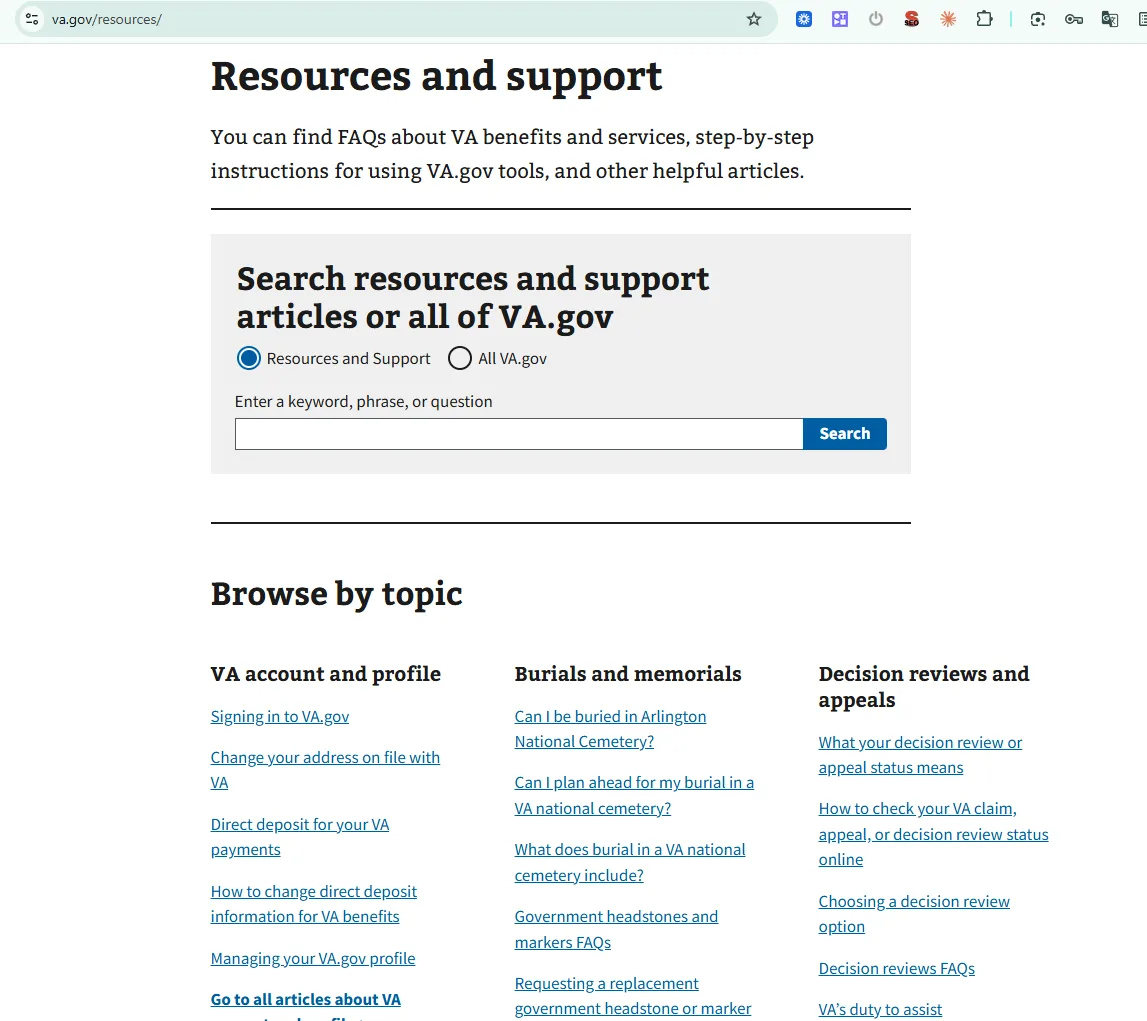
A rebuilt VA.gov organised around the handful of things veterans actually come to do — refill a prescription, check a claim, message a doctor — behind one login and one dashboard.

what came out

Call-centre volumes fell and successful self-service rose. And with a vulnerable group, the part that matters most: trust was rebuilt. When a service is hard to use, people conclude the institution doesn't want them to succeed.

Sources: Digital VA — building trust with veterans · VA.gov
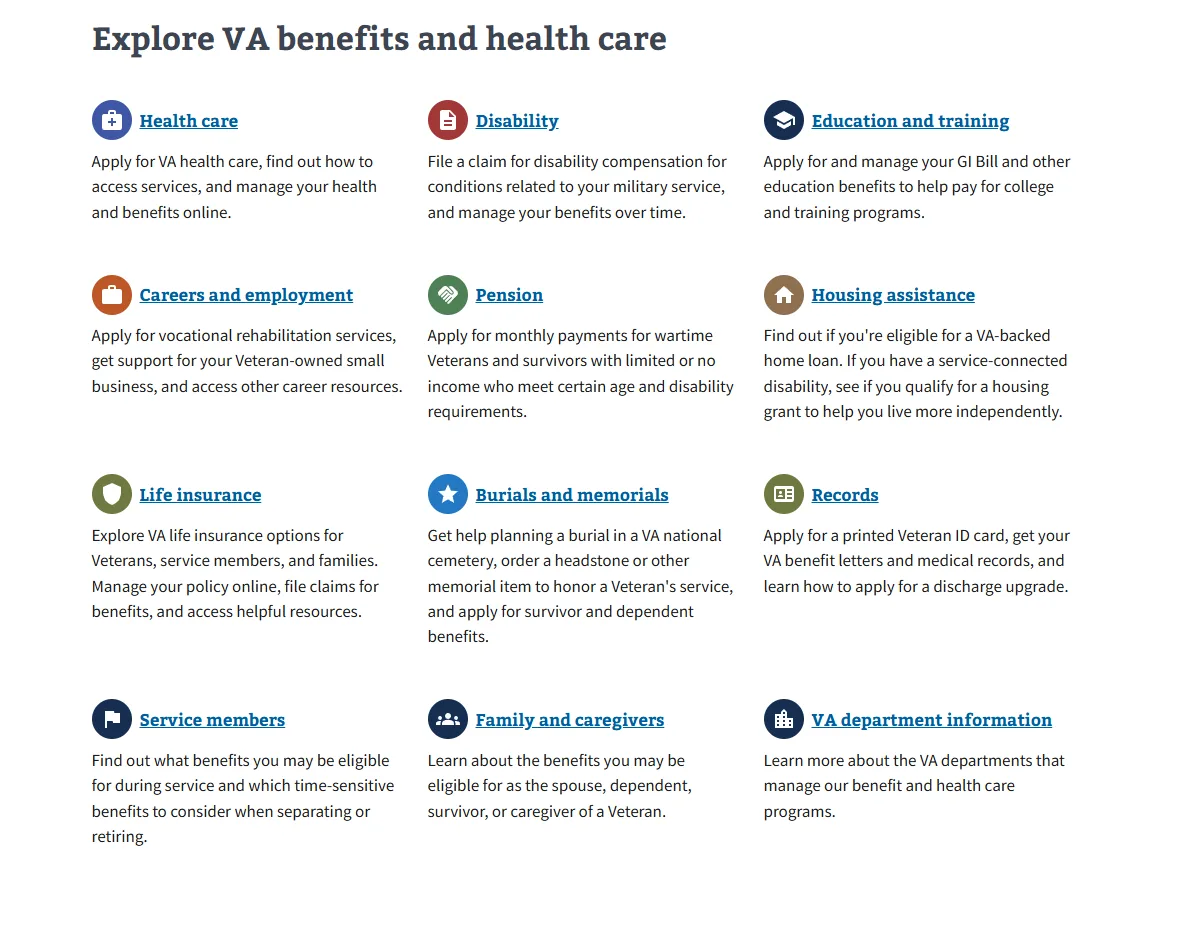
VA.gov page listing benefits and health care by task
VA.gov resources and support page
Vienna Service Design Case 09 · Dubai, UAE
case 09

Forty apps is still bureaucracy

Ecosystem mapping Service inventory Single identity Usability testing
the problem

Living in Dubai meant downloading a different government app for each part of your life: one for utilities, one for the visa, one for the car. Every department had gone digital. Nobody had gone digital together.

the turn

Digital clutter had simply replaced physical clutter. Residents didn't want forty apps any more than they'd wanted forty counters. The unit of design was the city, not the department.

what they built

DubaiNow: one app aggregating over 250 services from more than 35 government and private entities, behind one secure digital identity (UAE PASS).

what came out

Sharply lower friction for daily tasks, higher take-up of digital services, and the quiet decommissioning of redundant departmental apps. Worth noticing: the win came from removing things.

Source: Digital Dubai — DubaiNow

Vienna Service Design Is this a real discipline?
where the practice came from

Four places that turned public-sector design into a profession 🫐

These aren't single projects. They're the institutions that built the method — useful if someone asks you whether this is a real discipline or a consultancy word.

Denmark

MindLab, a cross-ministry innovation lab, spent years getting ministries to look at their own work from the citizen's side. Christian Bason led it for seven years and carried the thinking into the Danish Design Centre. It closed in 2018 — which is its own lesson: a design lab inside government needs political cover, not just good results.

Danish Design Centre — cases

Finland

The Helsinki Design Lab, run by the innovation fund Sitra, put designers at the strategic level rather than the screen level, arguing for three capabilities: integration (holding many perspectives at once), visualisation (showing what numbers can't), and stewardship (walking a good idea all the way to implementation).

Helsinki Design Lab archive

United Kingdom

Lou Downe's Good Services grew directly out of government service work and became the field's standard checklist: fifteen things every good service does. Score a service 0–4 on each, then fix the lowest scores rather than the average. Notice how many are about honesty and access rather than looks.

good.services

Australia

Frame-innovation work at UTS gave public servants a step-by-step way to do the designer's core trick — reframing the problem — including a graduate certificate for people already inside government. It's also where the first GovJam sparked, in 2012, a year before the global edition followed.

globaljams.org

Vienna Service Design Your turn
in our every day work

Everyone is carrying a small, specific, unglamorous problem they've stopped noticing.

Because it's always been like that. Because it belongs to another department. Because nobody has the time. Every case in this document started exactly there.

What's the problem you'd bring?
01

Name one thing people complain about in your service.

02

Ask what's underneath it. Is it slowness, or not knowing? Is it the rule, or when they're told the rule?

03

Ask what you'd change if you weren't allowed to change the law, the budget or the building.

If you got an answer to number three, you've just done service design. The rest is doing it properly, with the people it affects, and testing it before you build it. That's what a GovJam is for.

Vienna Service Design The small print
the small print

Sources, further reading & image credits

further reading
  • Marc Stickdorn et al., This is Service Design Doing — the six principles and the working definition.
  • Lara Penin, An Introduction to Service Design — services as “soft infrastructure”, touchpoints, designing the invisible.
  • Lou Downe, Good Services — the fifteen principles, used as a diagnostic. good.services
  • Michael Lewrick et al., The Design Thinking Playbook — blueprinting, prototyping, testing.
  • Nynke Tromp, Designing for Society — the public-sector design labs.
  • Design Council — the Double Diamond.
a note on numbers

Every figure in this document comes from a source linked above. Where a case is widely retold with impressive-sounding results the publisher never actually published, we left those numbers out. If you want to quote a figure in a proposal, follow the link first — that habit is also service design.

image credits

All photographs and screenshots in this document are taken from the official websites and published sources listed here and beside each case. They remain the property of their respective owners and are reproduced for illustration and non-commercial advocacy only.

🍊 Vienna Service Design
what we're asking

Help us run the
Vienna GovJam 2026.

5–6 November 2026. Two days. Citizens and public servants at the same table, one secret public-service challenge, something real and tested by Friday evening. No experience needed — people bring the problem.

Fund the jam. Cover the room, the materials and the coffee for two days of public-service prototyping.
Send your people. Two days of hands-on service design for your team, with real users in the room.
Lend a venue or the food. In-kind support goes further than you'd think at a jam.
Prepared by Oleksandra Baklanova · Vienna Service Design, JAM Lead
viennaservicedesign.com · hello@viennaservicedesign.com
globaljams.org · Global GovJam Vienna 2026 · 5–6 November
Bring the problem.
We'll bring the method. 🫐🍊

Nine cases, four continents, wildly different budgets — and the same three things kept happening. The citizen had one goal while the organisation had many desks. The complaint was rarely the problem. And almost nobody changed the law.